

+918048039161

Currently it only shows your basic business info. Start adding relevant business details such as description, images and products or services to gain your customers attention by using Boost 360 android app / iOS App / web portal.

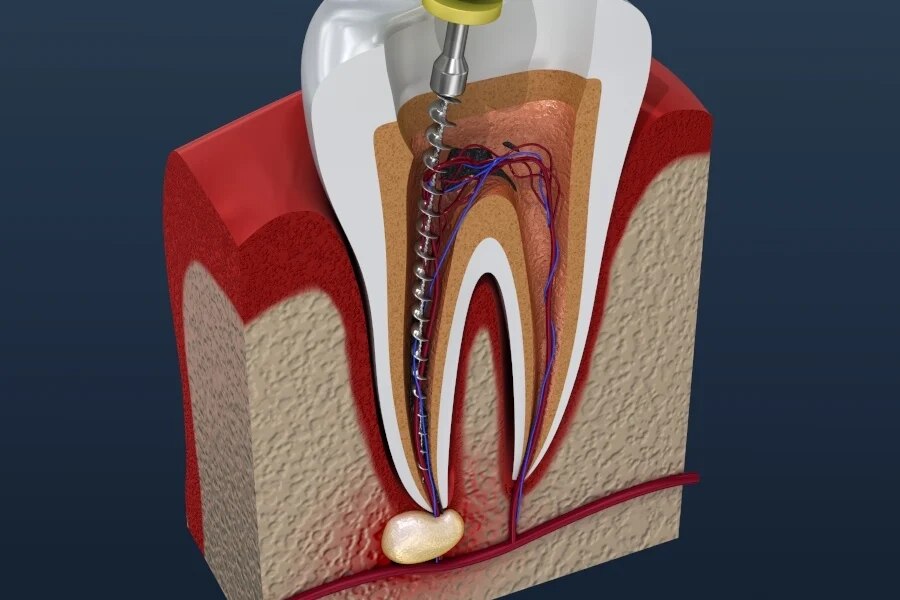
Endodontics is a dental specialty that focuses on the diagnosis, treatment, and prevention of diseases and conditions affecting the dental pulp (the soft tissue inside the tooth that contains nerves, blood vessels, and connective tissue) and the tissues surrounding the root of the tooth. The primary treatment associated with endodontics is root canal therapy, but the field also encompasses other procedures aimed at saving teeth that might otherwise need to be extracted. Here are the key aspects of endodontics: 1. Root Canal Therapy (RCT) This is the most common procedure in endodontics, often referred to as a "root canal." It involves removing the infected or damaged pulp from inside the tooth, cleaning and shaping the root canals, and sealing them to prevent further infection. After the procedure, the tooth is usually restored with a crown to protect it from further damage. 2. Endodontic Diagnosis Endodontists are trained to diagnose various tooth and pulp problems, including: Pulpitis: Inflammation of the dental pulp, which can be reversible or irreversible. Apical Periodontitis: Infection or inflammation at the tip of the root, often caused by bacterial invasion of the pulp. Root Fractures: Cracks in the tooth that may affect the pulp and require specialized care. 3. Endodontic Retreatment In cases where a root canal fails, retreatment may be necessary. This involves removing the existing filling material, cleaning and reshaping the canals again, and refilling the space to resolve any ongoing infection. 4. Apisectomy (Root-End Surgery) If an infection persists after a root canal or retreatment, an apisectomy might be performed. This involves surgically removing the tip of the tooth’s root and sealing the root end to eliminate infection. 5. Traumatic Dental Injuries Endodontists also treat traumatic injuries to teeth, such as fractures, displacements, or avulsions (teeth knocked out). Depending on the severity of the injury, they may need to perform root canal therapy or other procedures to save the tooth. 6. Management of Cracked Teeth Teeth with cracks or fractures that affect the pulp may require endodontic intervention to avoid extraction. Cracked teeth can be difficult to diagnose, so advanced imaging and testing may be used. 7. Regenerative Endodontics This is a newer area of research and treatment in endodontics, focusing on regenerating the tissues inside the tooth and stimulating healing of the pulp tissue using stem cells or other biological materials. When to See an Endodontist: An endodontist is typically consulted when: A tooth is severely infected or damaged and requires root canal therapy. There is persistent pain, sensitivity, or swelling around a tooth that suggests pulp or root problems. A tooth has a complex root canal system that requires special expertise for cleaning and sealing. Endodontists are highly specialized and typically have more advanced training than general dentists in performing complex root canal treatments and other procedures to save teeth. They use specialized tools and techniques, including magnification and advanced imaging, to ensure successful outcomes.


